国产传媒

Healthcare Innovation Stories

Innovation Spotlight: How Vancouver Coastal Health Is Using 国产传媒 to Remotely Monitor Oncology Patients During Chemotherapy

May 23, 2025
By
Seamless

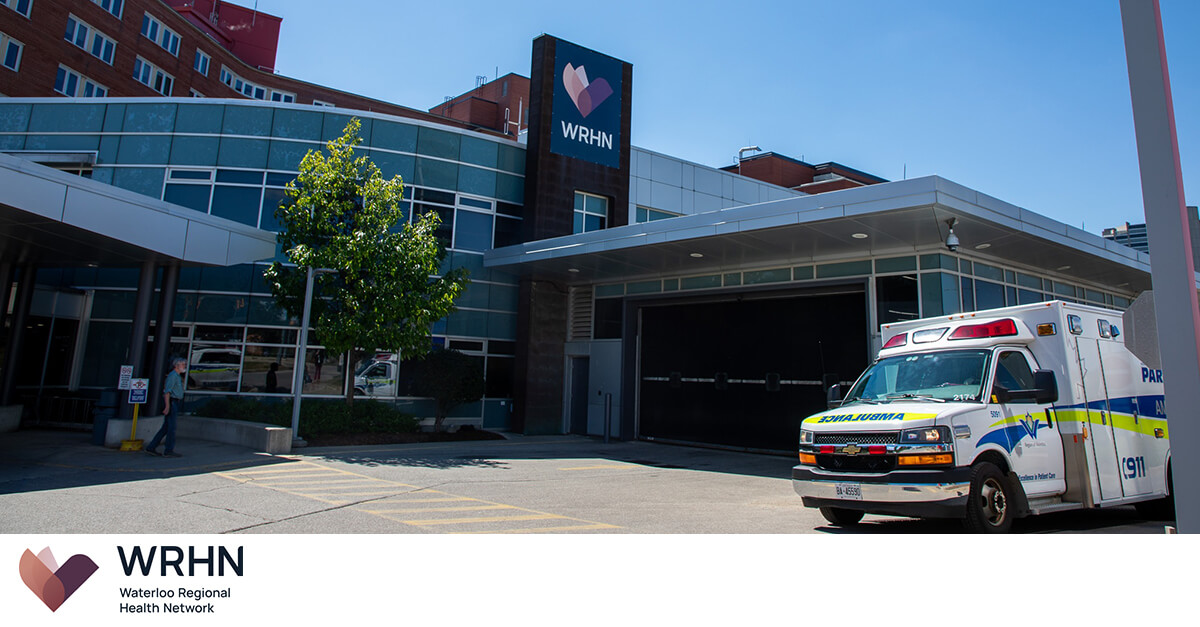
At our recent 国产传媒 customer conference, we had the opportunity to sit down and learn from Dr. Jeremy Ho, medical oncologist at Vancouver Coastal Health (VCH)鈥檚 Richmond Cancer Clinic 鈥 where his program is using 国产传媒 to close the communication gap between cancer patients and their care team during chemotherapy treatment.

The Problem: Gaps in Symptom Monitoring Between Visits

Patients undergoing chemotherapy often experience serious side effects between appointments鈥攂ut without a structured way to report symptoms in real time, many suffer in silence or delay care. Dr. Ho鈥檚 oncology team at Vancouver Coastal Health identified this as a critical gap through patient focus groups:

  • 60% of patients reported at least one episode where they wished they had received more timely care or responses from the clinic
  • 40% admitted they didn鈥檛 reach out because they didn鈥檛 want to 鈥渂other鈥 the care team
  • 60% felt some of their symptoms could have been prevented with better monitoring and earlier intervention

Without proactive communication tools in place, this often translated into unnecessary phone calls, emergency room visits, or even avoidable hospital admissions. The team needed a solution that would empower patients to report symptoms confidently 鈥 and ensure care teams could act before complications escalated.

The Innovation: Remote Symptom Monitoring during Chemotherapy

To tackle this, VCH鈥檚 Oncology team built a remote symptom monitoring program called RESPONSe: REmote Symptom and Patient mONitoring System, powered by 国产传媒.

The goal of the program is to: 鈥減rovide better patient centered care through the prompt management of treatment related symptoms with the goal of reducing symptom burden and ultimately decreasing the need for acute care visits.鈥濃

Here鈥檚 how it works:

  1. Custom Surveys Tied to Treatment Milestones
    国产传媒 automatically sends personalized symptom surveys at specific cadences based on the patient鈥檚 doctor鈥檚 visits and chemotherapy appointments.
  2. Pre-Visit Check-Ins
    Before each doctor鈥檚 appointment, patients receive a pre-visit survey to report any ongoing symptoms or concerns. This helps clinicians proactively address issues before patients arrive.
  3. Post-Chemotherapy Health Checks
    After each chemo session, a follow-up survey is triggered based on the specific treatment protocol. Patients can report side effects such as nausea, fatigue, or fever 鈥 and the care team can intervene early if needed.
  4. Real-Time Monitoring by the Care Team
    All patients are monitored, not just self-managed. The care team uses 国产传媒鈥檚 dashboards to view incoming symptoms in real-time, enabling timely follow-up and reducing the burden on patients to reach out.

The Results: Better Communication, Fewer Emergency Visits

Since launch, the Oncology Program at VCH has seen meaningful improvements in both patient experience and clinical outcomes:

  • 413 patients enrolled, with a 94% activation rate
  • 79% of patients avoided one or more phone calls to the care team
  • 26% avoided at least one emergency department visit

Even more compelling are the comparative clinical outcomes from a recent RESPONSe study:

  • ED visits per 100 chemo cycles dropped from 13.4 to 11.2
  • Median hospital length of stay fell from 7.8 to 5 days
  • Mortality rate decreased from 12% to 7%

A New Standard for Oncology Care

By embedding 国产传媒 into their chemotherapy care model, Vancouver Coastal Health has created a smarter, safer, and more connected experience for oncology patients 鈥 one where help doesn鈥檛 come too late and every symptom has a voice.

We're proud to support VCH in their mission to deliver high-quality, patient-centered cancer care 鈥 and we hope their example inspires others to reimagine how we care for patients beyond the hospital walls.
Innovation Spotlight: How Vancouver Coastal Health Is Using 国产传媒 to Remotely Monitor Oncology Patients During Chemotherapy

Posted by:
Seamless
on
May 23, 2025

At our recent 国产传媒 customer conference, we had the opportunity to sit down and learn from Dr. Jeremy Ho, medical oncologist at Vancouver Coastal Health (VCH)鈥檚 Richmond Cancer Clinic 鈥 where his program is using 国产传媒 to close the communication gap between cancer patients and their care team during chemotherapy treatment.

The Problem: Gaps in Symptom Monitoring Between Visits

Patients undergoing chemotherapy often experience serious side effects between appointments鈥攂ut without a structured way to report symptoms in real time, many suffer in silence or delay care. Dr. Ho鈥檚 oncology team at Vancouver Coastal Health identified this as a critical gap through patient focus groups:

  • 60% of patients reported at least one episode where they wished they had received more timely care or responses from the clinic
  • 40% admitted they didn鈥檛 reach out because they didn鈥檛 want to 鈥渂other鈥 the care team
  • 60% felt some of their symptoms could have been prevented with better monitoring and earlier intervention

Without proactive communication tools in place, this often translated into unnecessary phone calls, emergency room visits, or even avoidable hospital admissions. The team needed a solution that would empower patients to report symptoms confidently 鈥 and ensure care teams could act before complications escalated.

The Innovation: Remote Symptom Monitoring during Chemotherapy

To tackle this, VCH鈥檚 Oncology team built a remote symptom monitoring program called RESPONSe: REmote Symptom and Patient mONitoring System, powered by 国产传媒.

The goal of the program is to: 鈥減rovide better patient centered care through the prompt management of treatment related symptoms with the goal of reducing symptom burden and ultimately decreasing the need for acute care visits.鈥濃

Here鈥檚 how it works:

  1. Custom Surveys Tied to Treatment Milestones
    国产传媒 automatically sends personalized symptom surveys at specific cadences based on the patient鈥檚 doctor鈥檚 visits and chemotherapy appointments.
  2. Pre-Visit Check-Ins
    Before each doctor鈥檚 appointment, patients receive a pre-visit survey to report any ongoing symptoms or concerns. This helps clinicians proactively address issues before patients arrive.
  3. Post-Chemotherapy Health Checks
    After each chemo session, a follow-up survey is triggered based on the specific treatment protocol. Patients can report side effects such as nausea, fatigue, or fever 鈥 and the care team can intervene early if needed.
  4. Real-Time Monitoring by the Care Team
    All patients are monitored, not just self-managed. The care team uses 国产传媒鈥檚 dashboards to view incoming symptoms in real-time, enabling timely follow-up and reducing the burden on patients to reach out.

The Results: Better Communication, Fewer Emergency Visits

Since launch, the Oncology Program at VCH has seen meaningful improvements in both patient experience and clinical outcomes:

  • 413 patients enrolled, with a 94% activation rate
  • 79% of patients avoided one or more phone calls to the care team
  • 26% avoided at least one emergency department visit

Even more compelling are the comparative clinical outcomes from a recent RESPONSe study:

  • ED visits per 100 chemo cycles dropped from 13.4 to 11.2
  • Median hospital length of stay fell from 7.8 to 5 days
  • Mortality rate decreased from 12% to 7%

A New Standard for Oncology Care

By embedding 国产传媒 into their chemotherapy care model, Vancouver Coastal Health has created a smarter, safer, and more connected experience for oncology patients 鈥 one where help doesn鈥檛 come too late and every symptom has a voice.

We're proud to support VCH in their mission to deliver high-quality, patient-centered cancer care 鈥 and we hope their example inspires others to reimagine how we care for patients beyond the hospital walls.

Recent news from 国产传媒

TDP 207: BSMH鈥檚 Jason Szczuka: Building Coalitions That Actually Move Innovation Forward, The 18-24 Month 鈥淪cale or Sunset鈥 Rule for Pilots, and Creating Organization Readiness Through Incentives and Desperation
December 11, 2025

TDP 207: BSMH鈥檚 Jason Szczuka: Building Coalitions That Actually Move Innovation Forward, The 18-24 Month 鈥淪cale or Sunset鈥 Rule for Pilots, and Creating Organization Readiness Through Incentives and Desperation

Learn More
TDP 206: MHS鈥 ACMIO Dr. Michael Weiss: Fixing "Rogue" Clinical Notes, Designing Workflows for Rare but High-Risk Events, and Applying Goldilocks Principles to Governance
December 9, 2025

TDP 206: MHS鈥 ACMIO Dr. Michael Weiss: Fixing "Rogue" Clinical Notes, Designing Workflows for Rare but High-Risk Events, and Applying Goldilocks Principles to Governance

Learn More
TDP 205: Duke Health鈥檚 Dr. Eric Poon: Understanding Informatics as a Sociotechnical Team Sport, Co-Creating AI Tools to Promote Accountability, and Why We Must Kiss a lot of Frogs to Find Real Innovation
December 4, 2025

TDP 205: Duke Health鈥檚 Dr. Eric Poon: Understanding Informatics as a Sociotechnical Team Sport, Co-Creating AI Tools to Promote Accountability, and Why We Must Kiss a lot of Frogs to Find Real Innovation

Learn More